
 Image 1 of 1
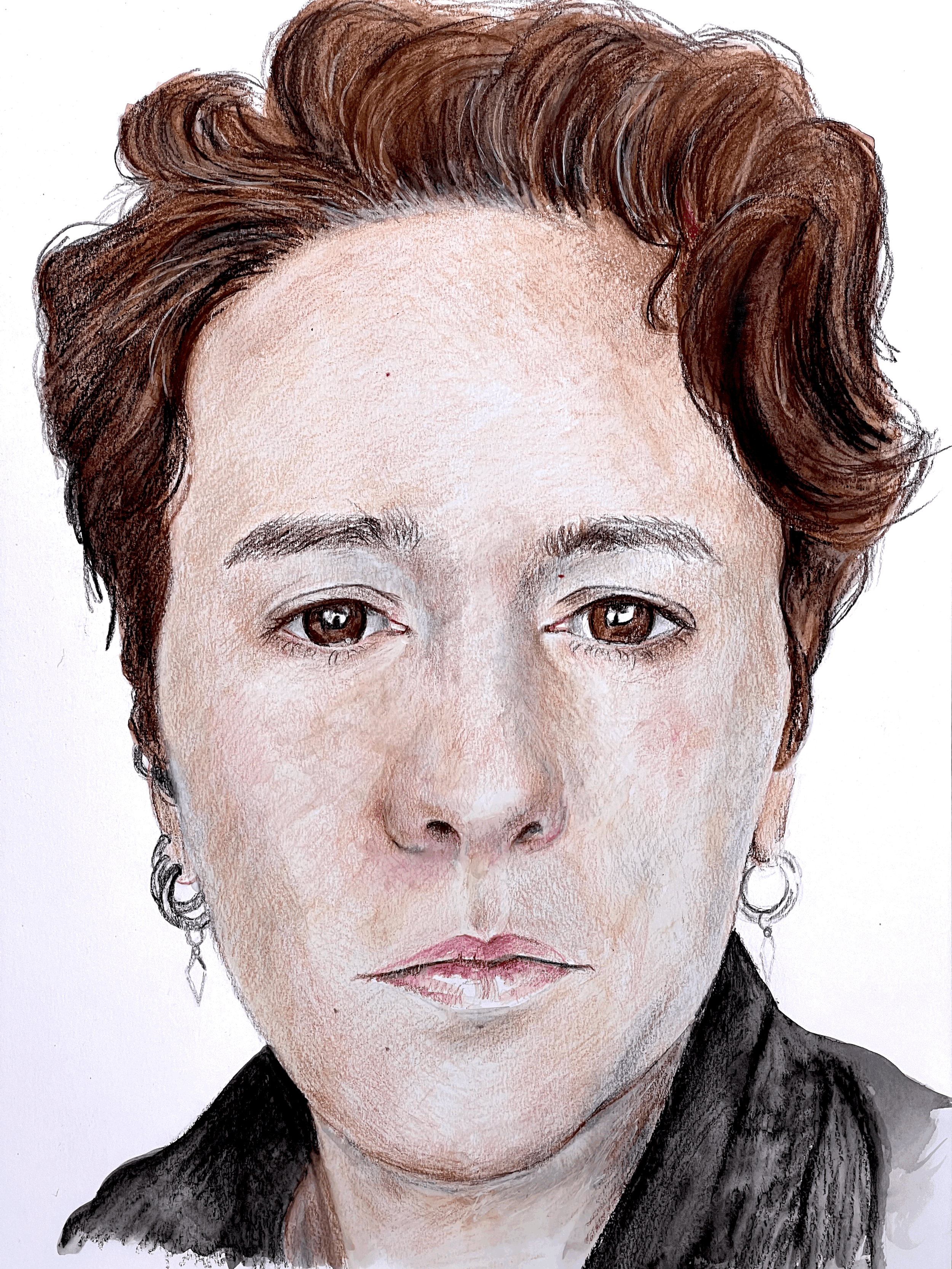
Liv, 37, UK.
“I began transitioning in my mid-twenties after many years of poor mental health and very little meaningful support from the NHS. I had always been a tomboy growing up, and I am now comfortable describing myself simply as a masc lesbian.
My GP and gender clinic were aware of my history of trauma and mental health difficulties, but rather than exploring whether those experiences might have contributed to how I felt about myself and my body, they were largely used to reinforce the idea that I was transgender.
I was on testosterone for around five years. My treatment was poorly managed, and my testosterone levels were often so high that they were considered potentially dangerous. I was only properly made aware of this after I had already begun taking steps towards detransitioning.
Despite transitioning, I never really became more comfortable in my own skin.
In my early thirties, I began to wonder whether I might have ADHD or be autistic. Eventually, I was diagnosed with both. Those diagnoses explained far more about my lifelong feeling of being different, struggling to fit in, and not understanding myself than transition ever had. How neither was recognised by the doctors and counsellors I had seen over the years, I still don’t really understand. I detransitioned around five years ago. Since then, I have married my wife and we have had a child together. Despite having taken testosterone for years, I was thankfully still able to become pregnant. I am enormously grateful for that, although I still mourn the fact that, because I had undergone a double mastectomy, I wasn’t able to breastfeed my son. He is two and a half now.
I think the most important thing I would want another detransitioner to know is that detransition can feel incredibly lonely. There is very little support available, and I had to work through much of it by myself. There were a lot of difficult days. But five years later, I understand myself better than I ever did before. I have built a life, a marriage and a family, and I am comfortable with who I am.
Detransitioning does not mean your life is over. You still have a future. And even when it feels like it, you are not alone."
Liv, 37, UK.
“I began transitioning in my mid-twenties after many years of poor mental health and very little meaningful support from the NHS. I had always been a tomboy growing up, and I am now comfortable describing myself simply as a masc lesbian.
My GP and gender clinic were aware of my history of trauma and mental health difficulties, but rather than exploring whether those experiences might have contributed to how I felt about myself and my body, they were largely used to reinforce the idea that I was transgender.
I was on testosterone for around five years. My treatment was poorly managed, and my testosterone levels were often so high that they were considered potentially dangerous. I was only properly made aware of this after I had already begun taking steps towards detransitioning.
Despite transitioning, I never really became more comfortable in my own skin.
In my early thirties, I began to wonder whether I might have ADHD or be autistic. Eventually, I was diagnosed with both. Those diagnoses explained far more about my lifelong feeling of being different, struggling to fit in, and not understanding myself than transition ever had. How neither was recognised by the doctors and counsellors I had seen over the years, I still don’t really understand. I detransitioned around five years ago. Since then, I have married my wife and we have had a child together. Despite having taken testosterone for years, I was thankfully still able to become pregnant. I am enormously grateful for that, although I still mourn the fact that, because I had undergone a double mastectomy, I wasn’t able to breastfeed my son. He is two and a half now.
I think the most important thing I would want another detransitioner to know is that detransition can feel incredibly lonely. There is very little support available, and I had to work through much of it by myself. There were a lot of difficult days. But five years later, I understand myself better than I ever did before. I have built a life, a marriage and a family, and I am comfortable with who I am.
Detransitioning does not mean your life is over. You still have a future. And even when it feels like it, you are not alone."